The region as one grid
Central America went from 700 to 3,100 GWh of trades in nine years. What SIEPAC, Colombia-Panama and Ecuador-Peru teach, and what the next step needs.
30 to 45 minute keynote
Grids that join countries
Regional Energy Specialist and Lead, IDB Group
Latin America’s energy goes further when it crosses borders.
I have spent 29 years financing grids, interconnections and electricity access in more than 15 countries. I know the regulators, the banks and the communities that make a project possible. Today I share what I have learned on stages, in the media and in high-level conversations.
29
years in energy infrastructure
US$4B+
financing portfolio
15+
countries in Latin America and the Caribbean
3
regional interconnections supported
My ideas in
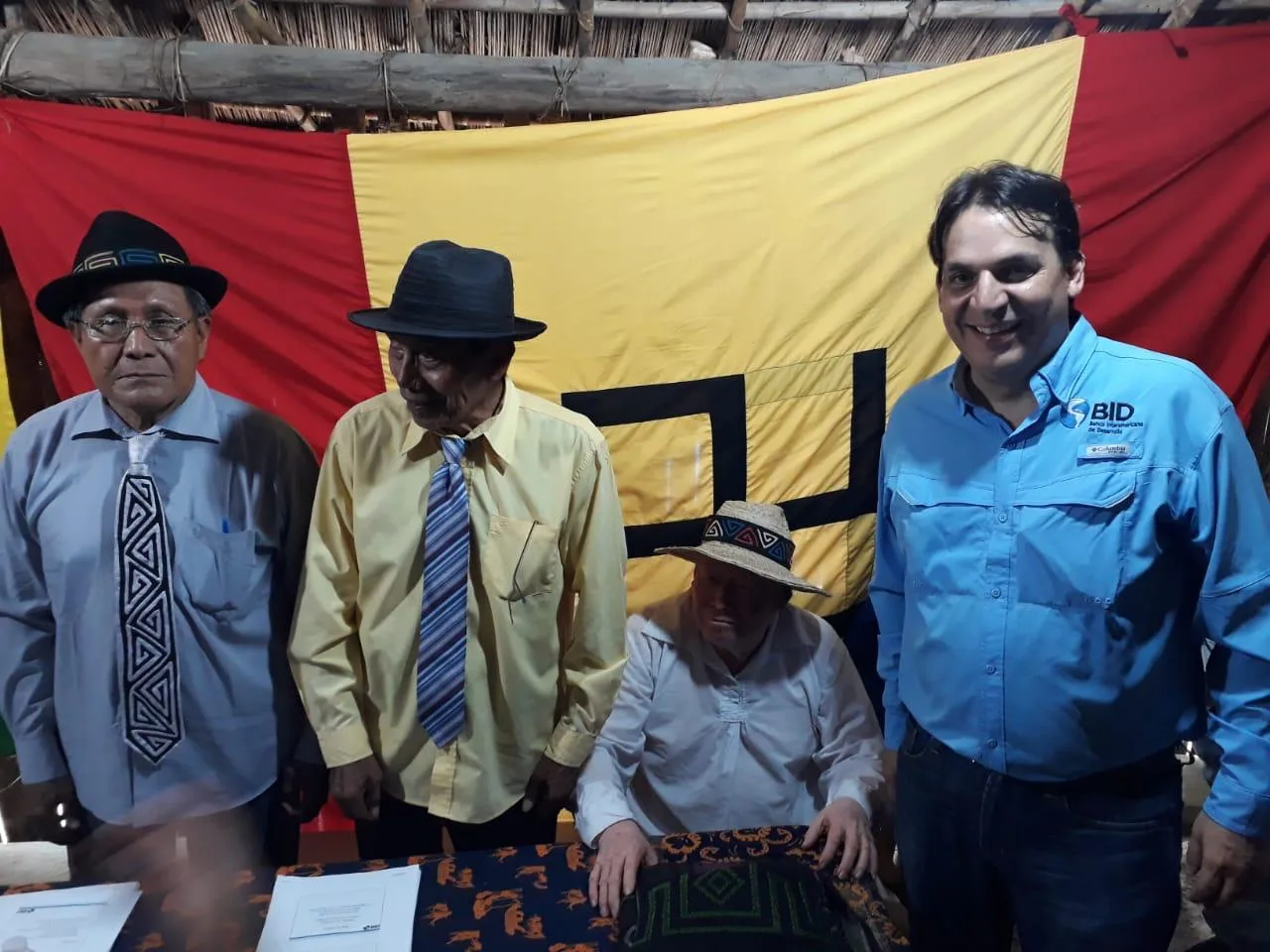
Dams under construction, solar plants, crews laying cable and communities waiting for power. My work gets decided in an office, but it gets proven out here.
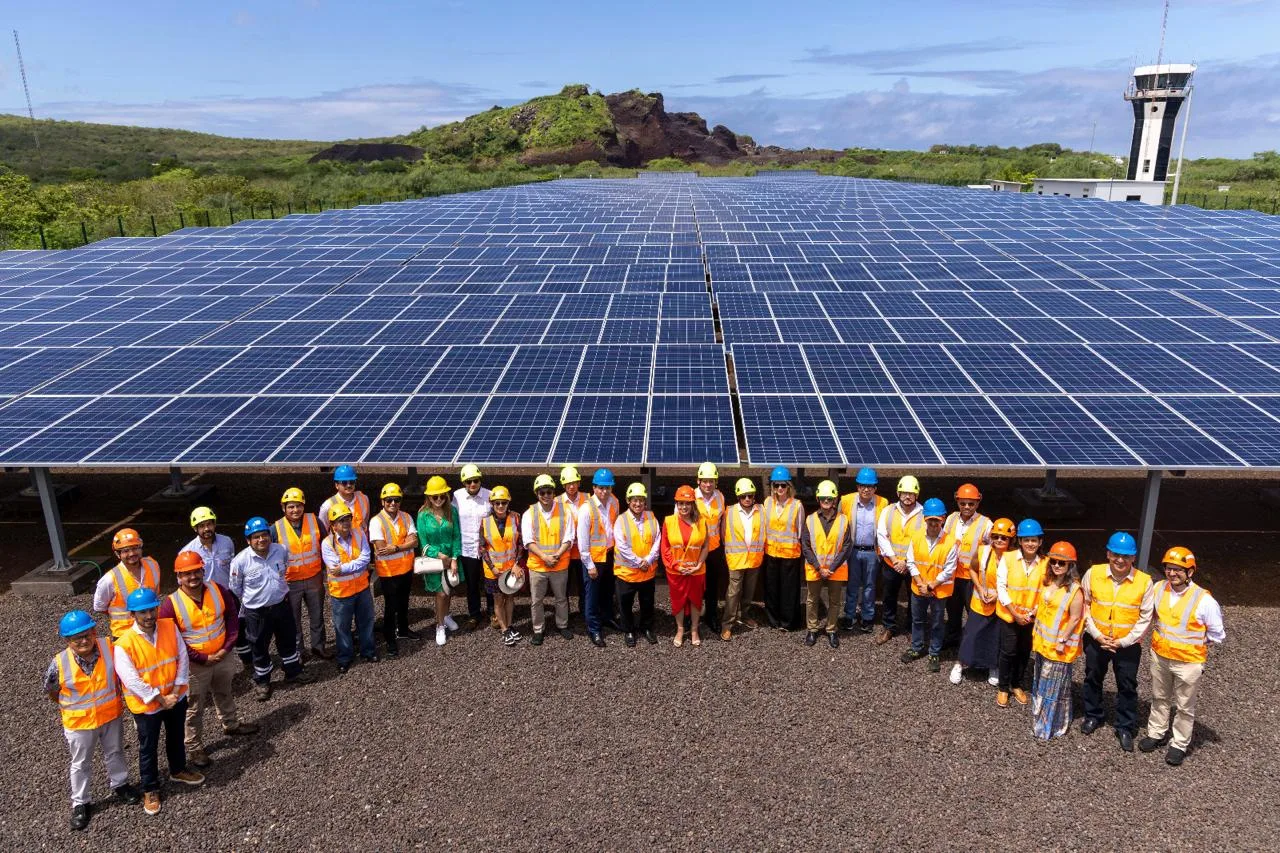
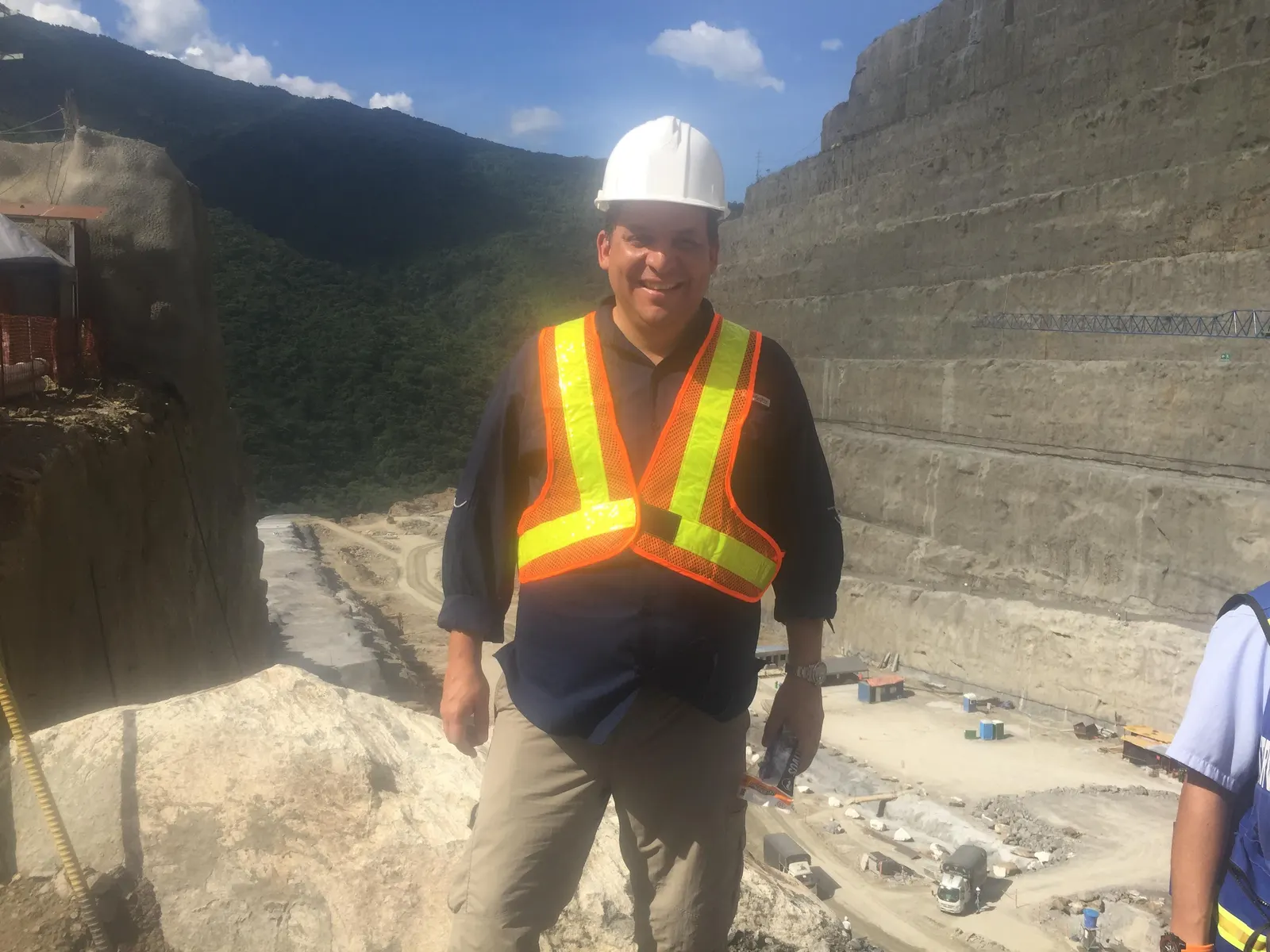
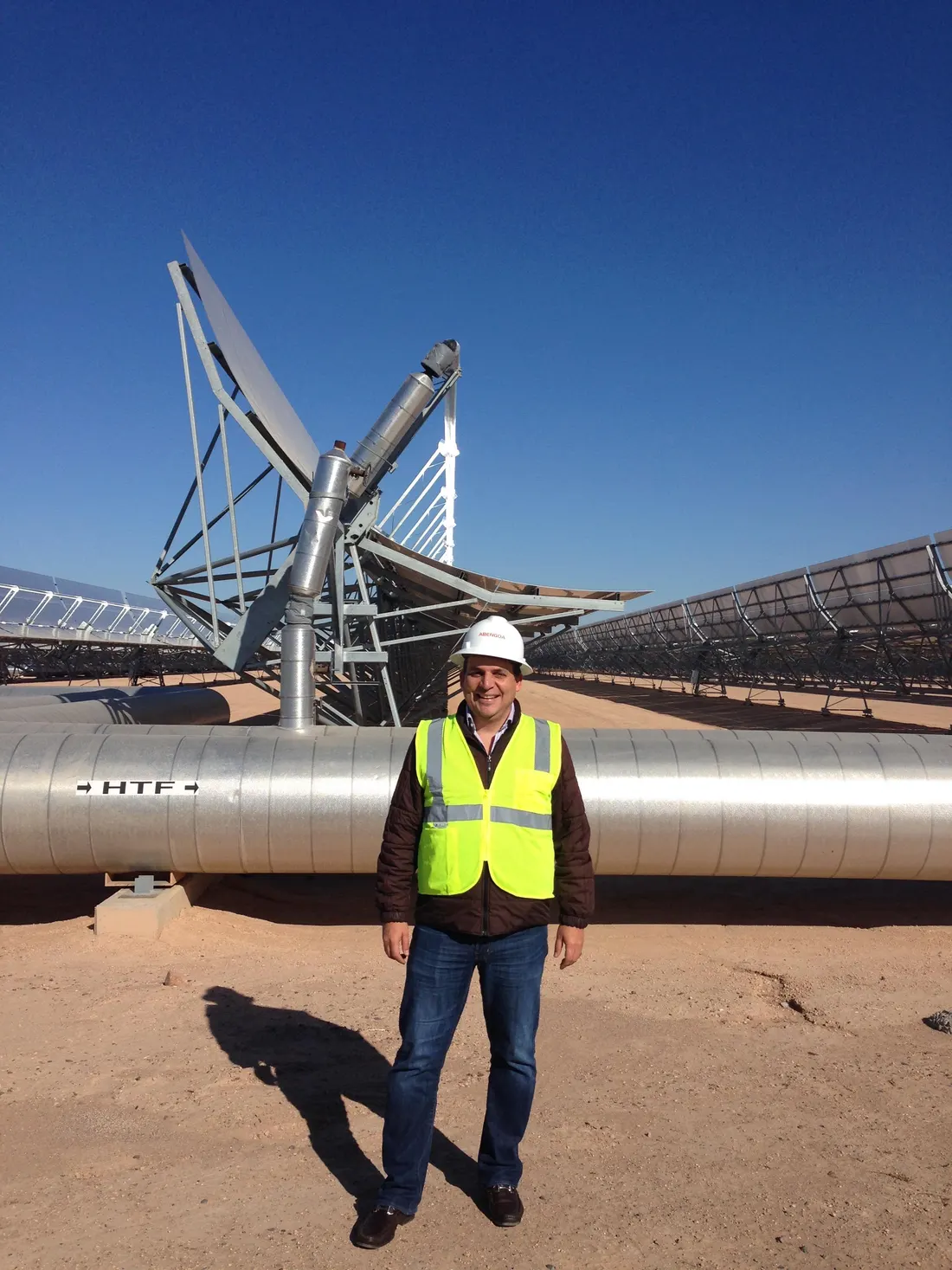
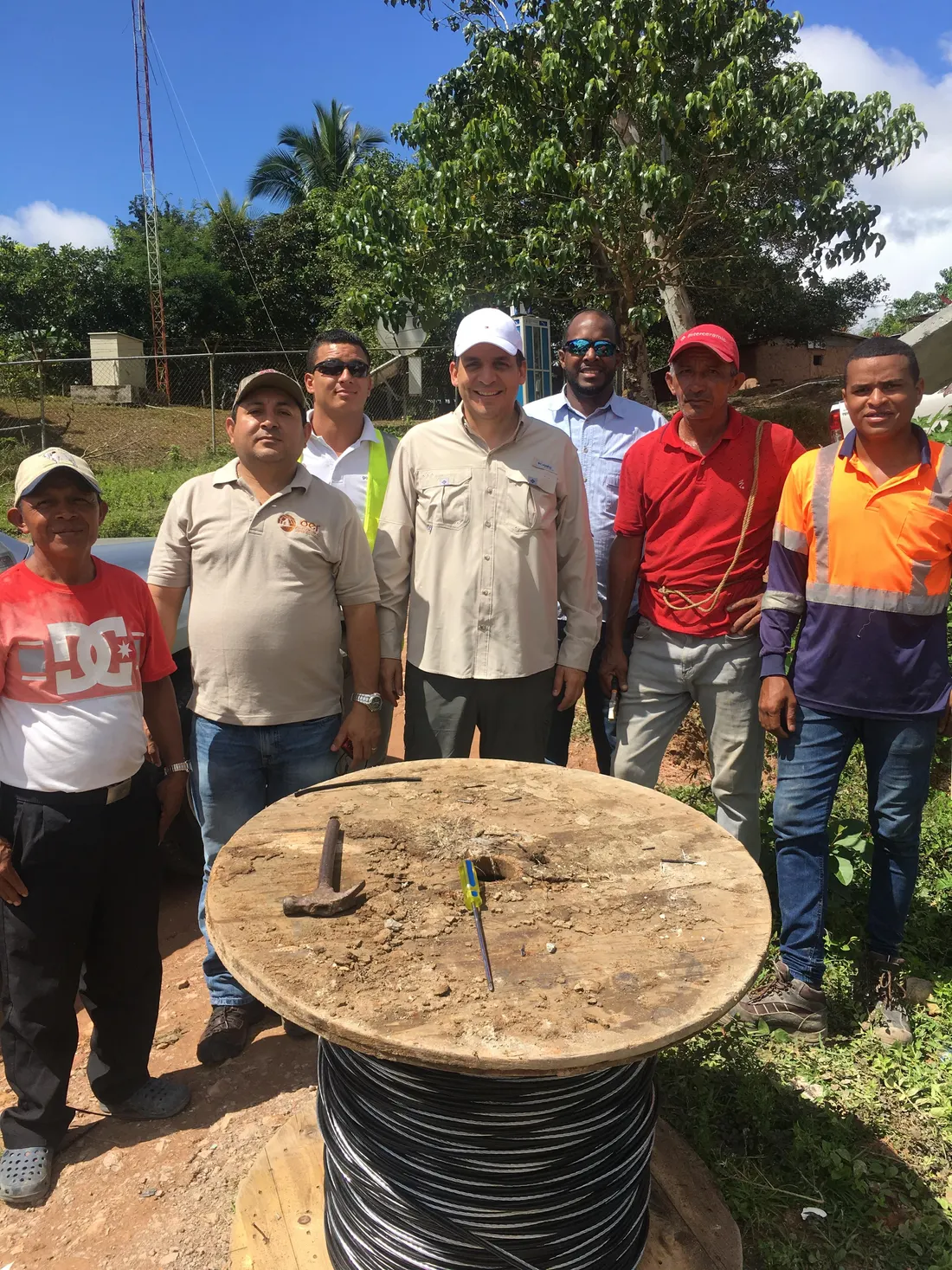
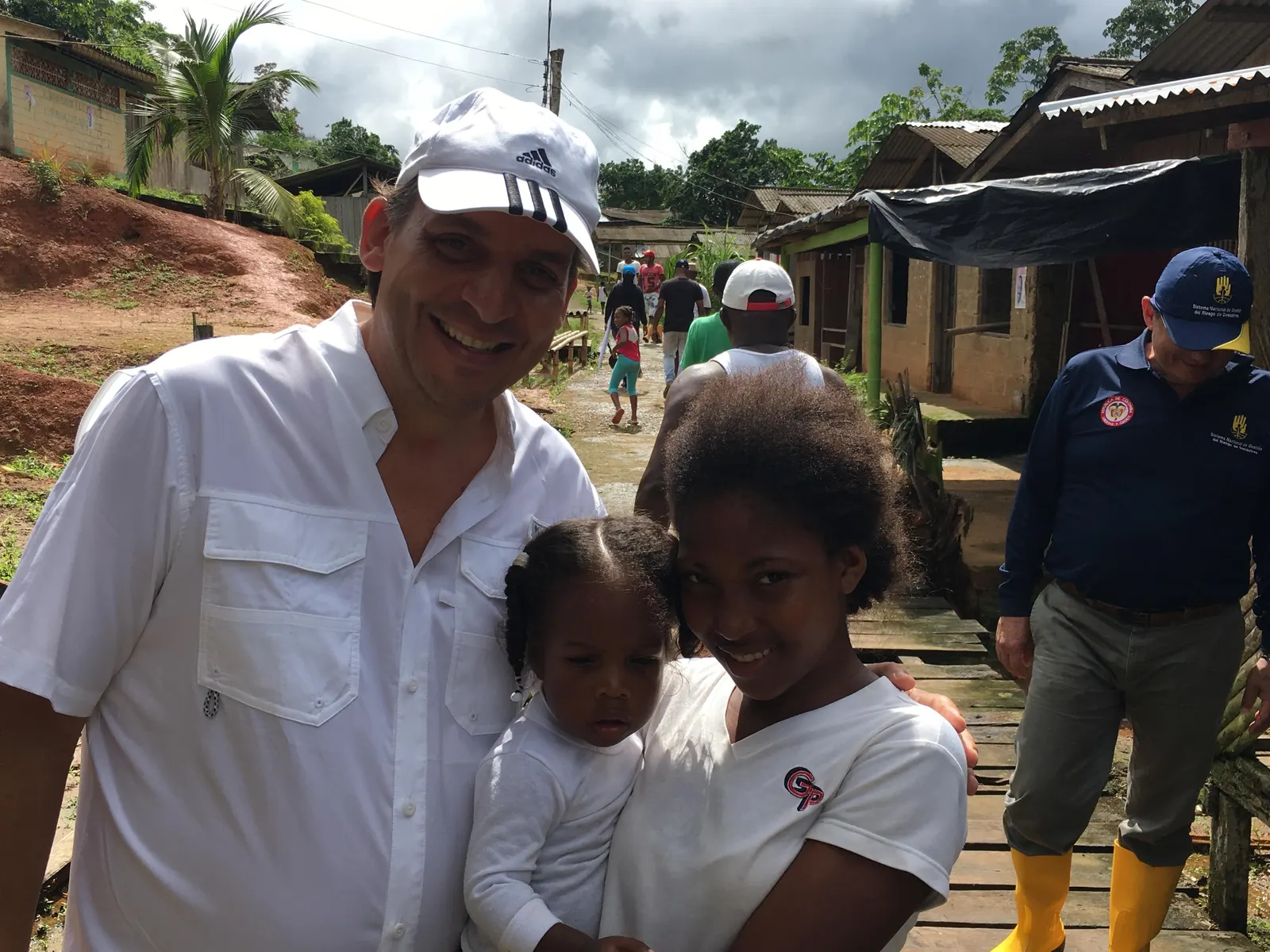
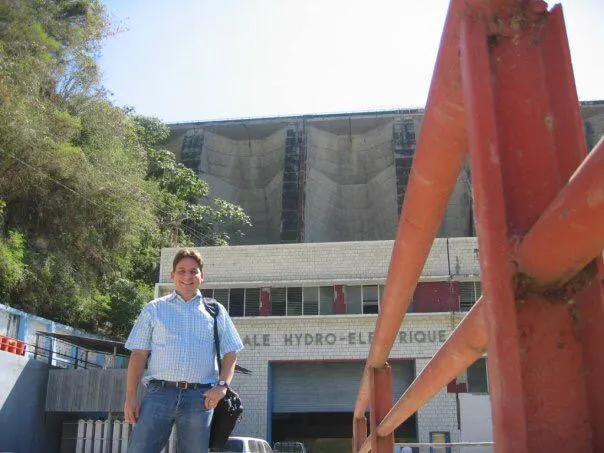
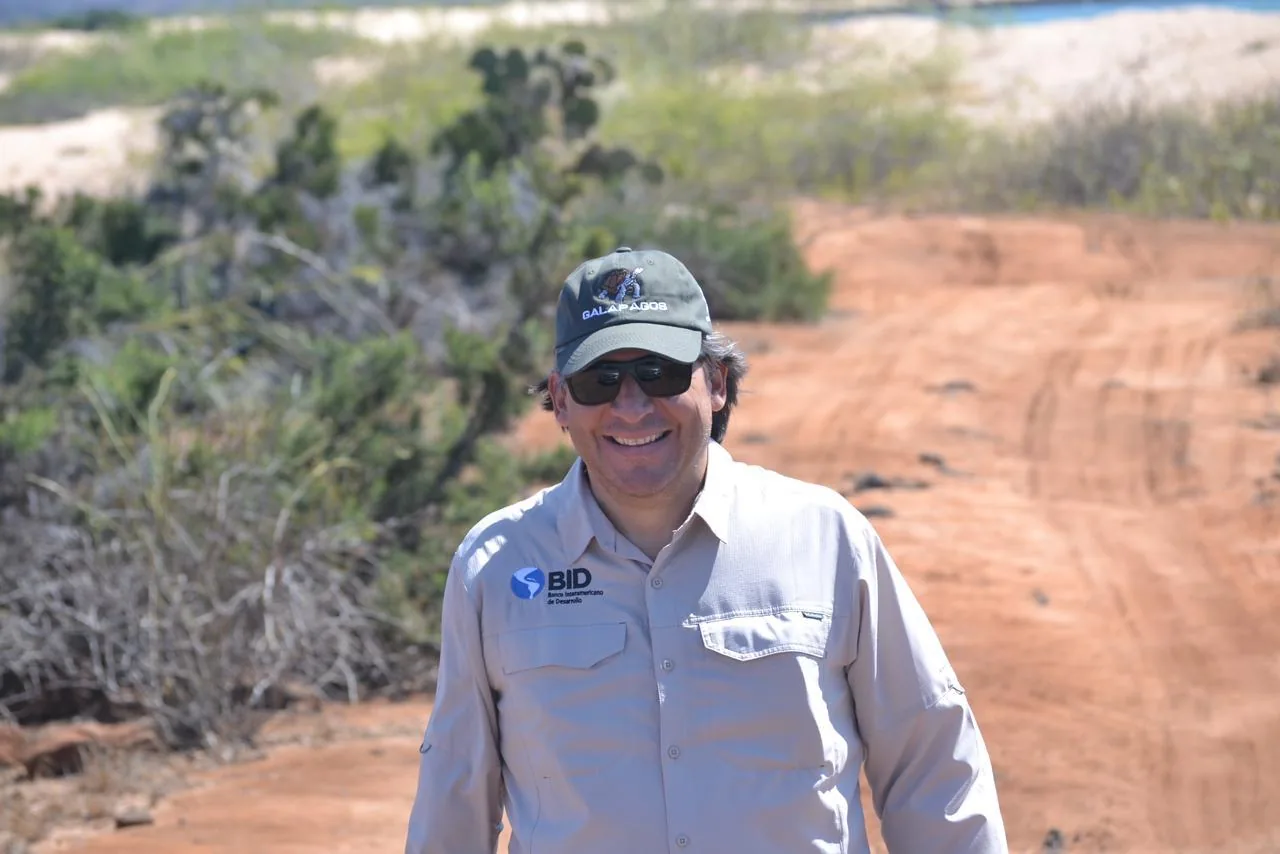
An energy project starts by listening to the people who live where the line, the cable or the plant will go, and learning what changes in their day when power arrives.
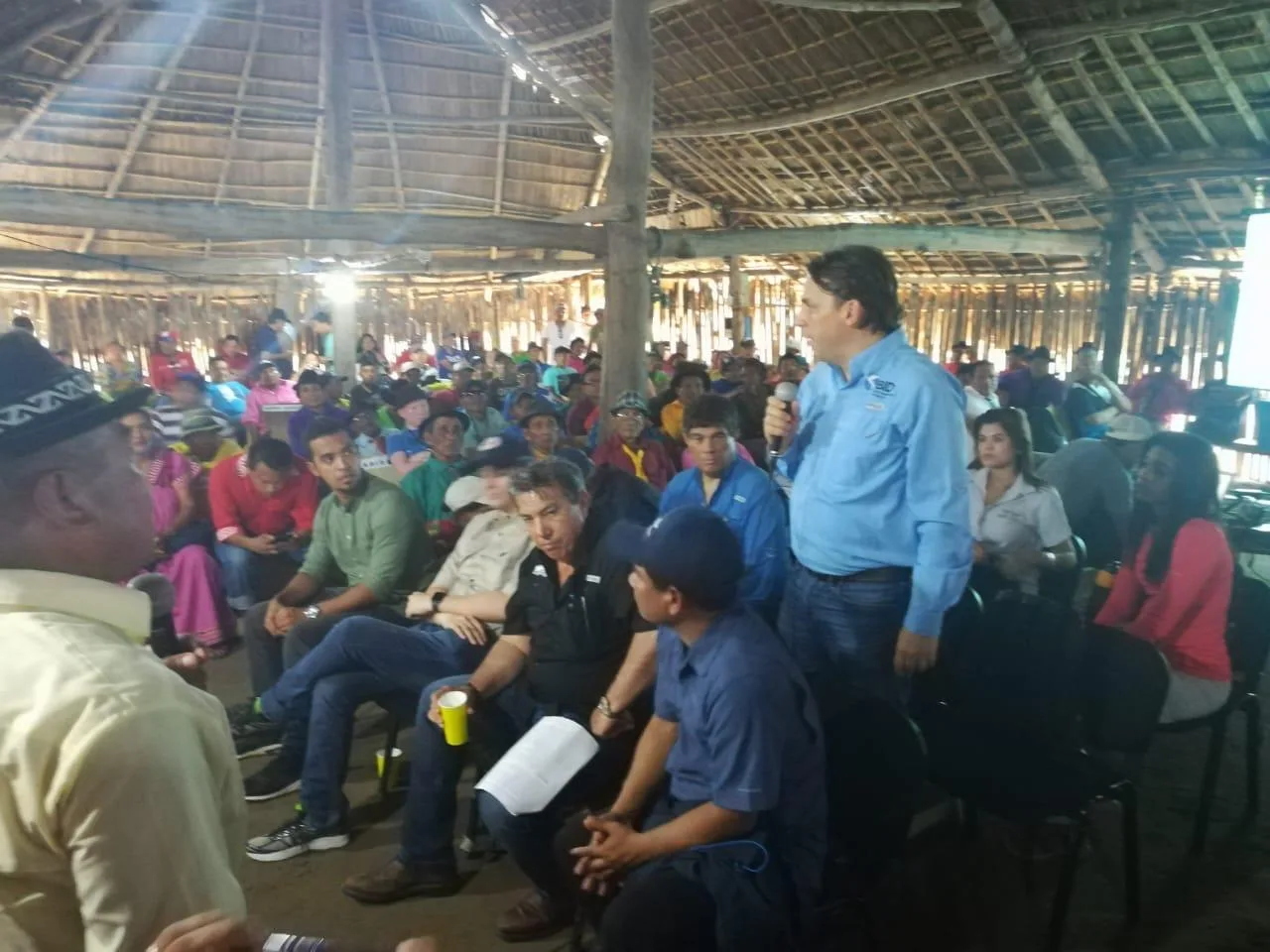
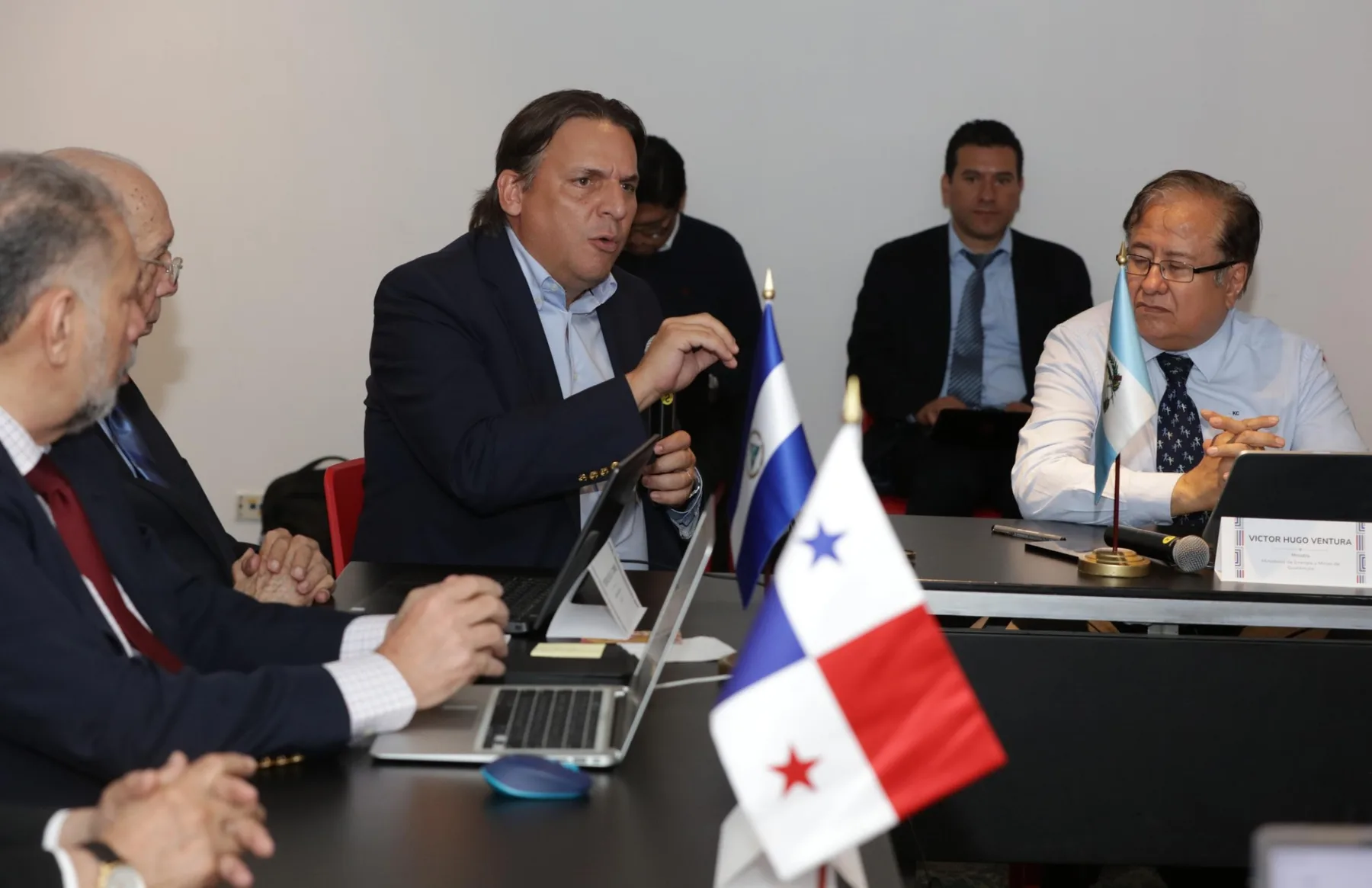
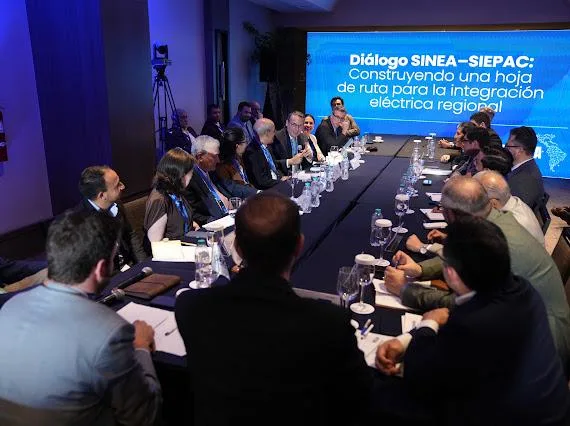
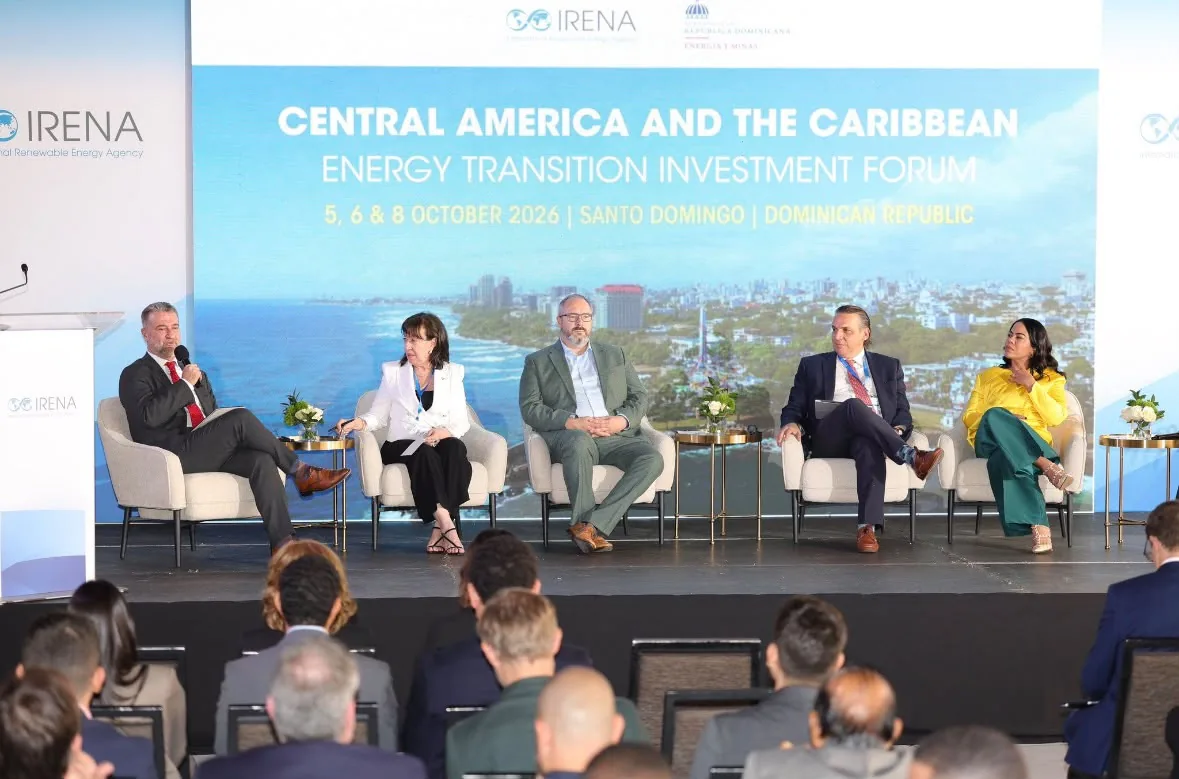
Every project goes through a conversation with governments and sector authorities. That is where a good idea becomes an investment.
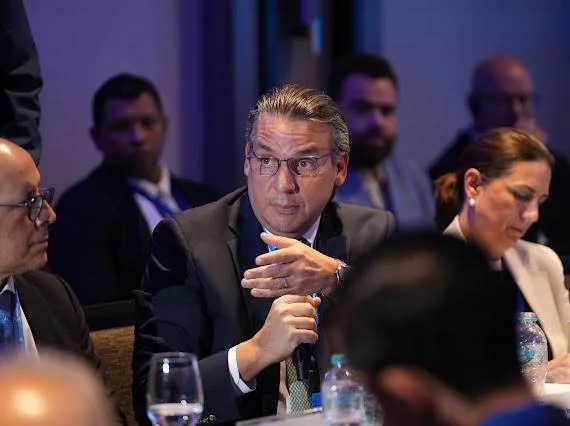
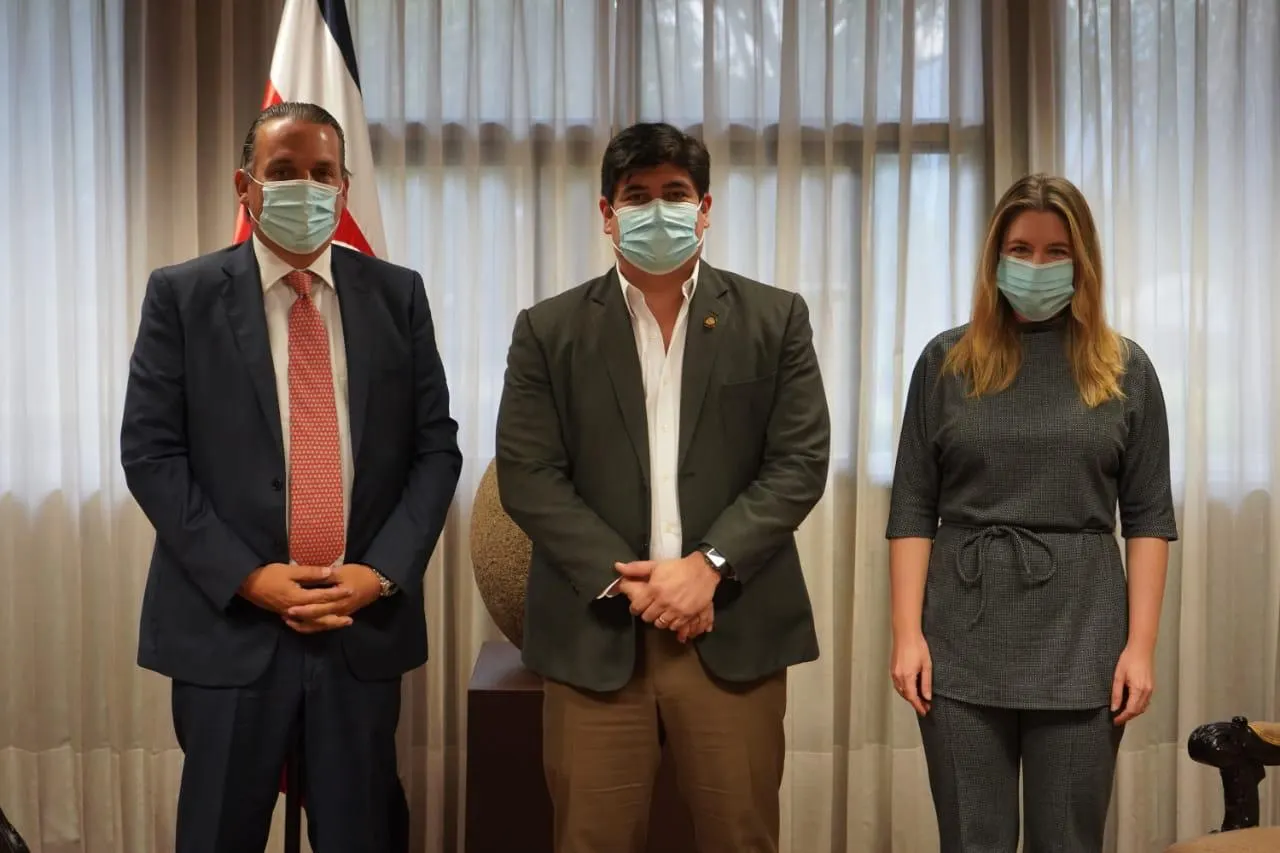
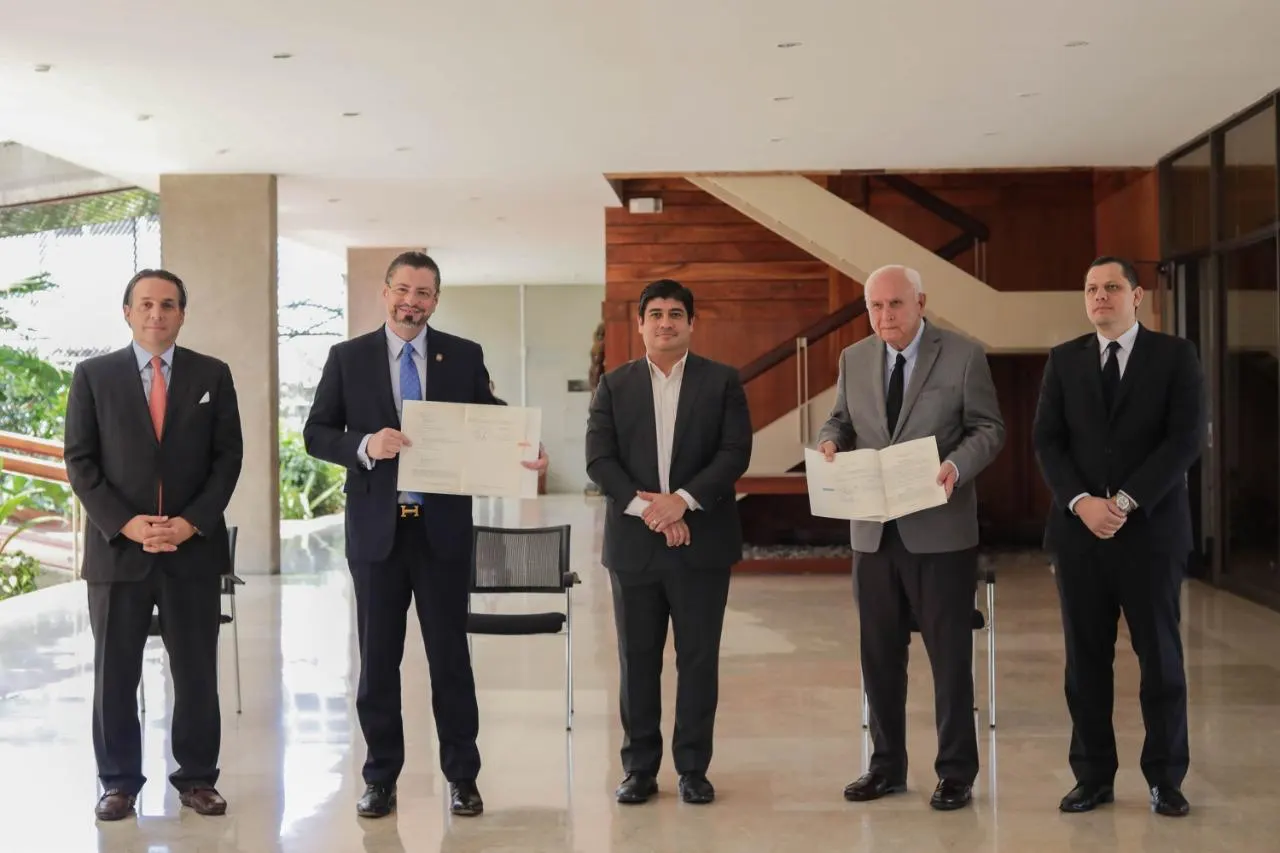
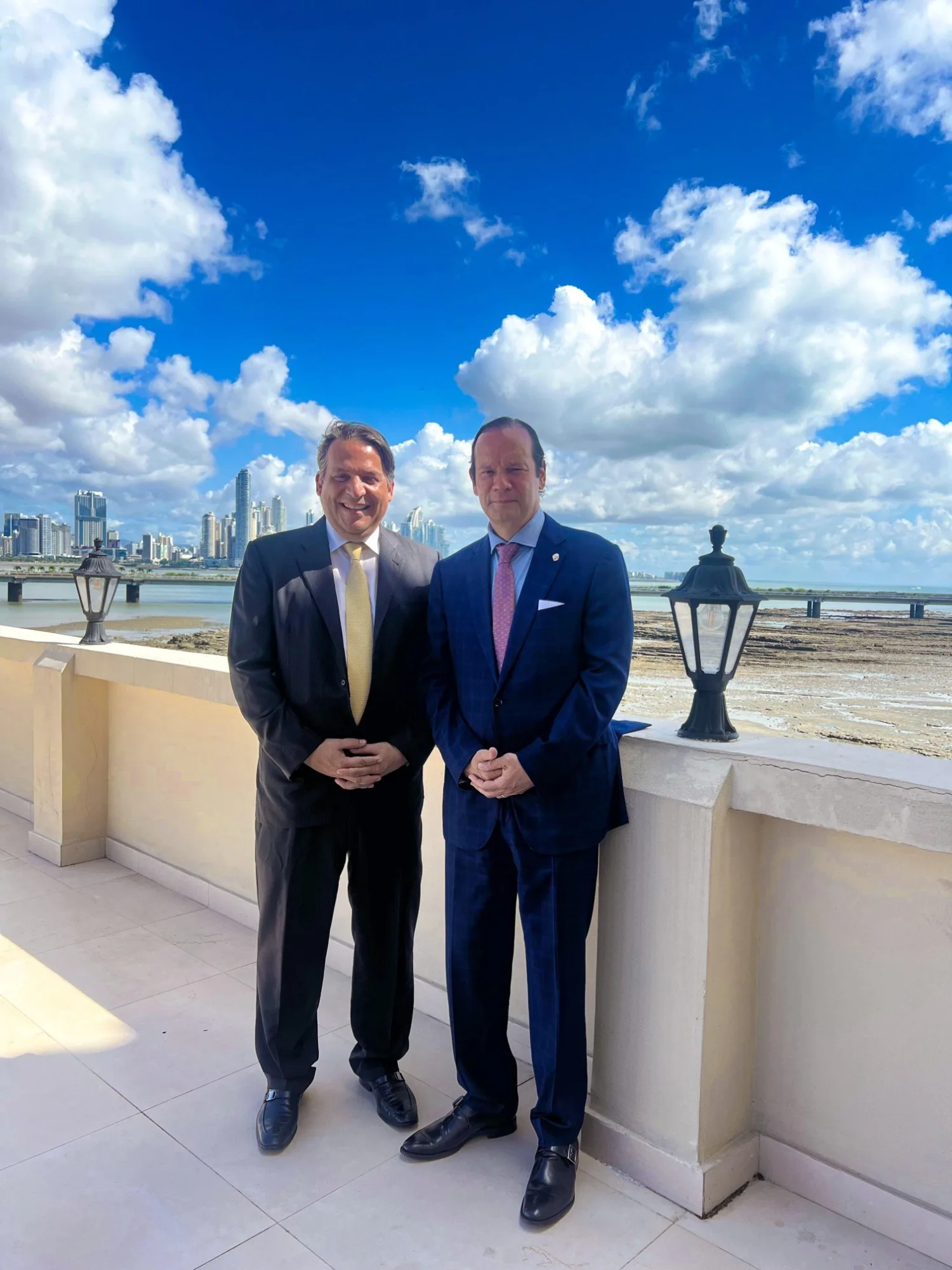
15 countries
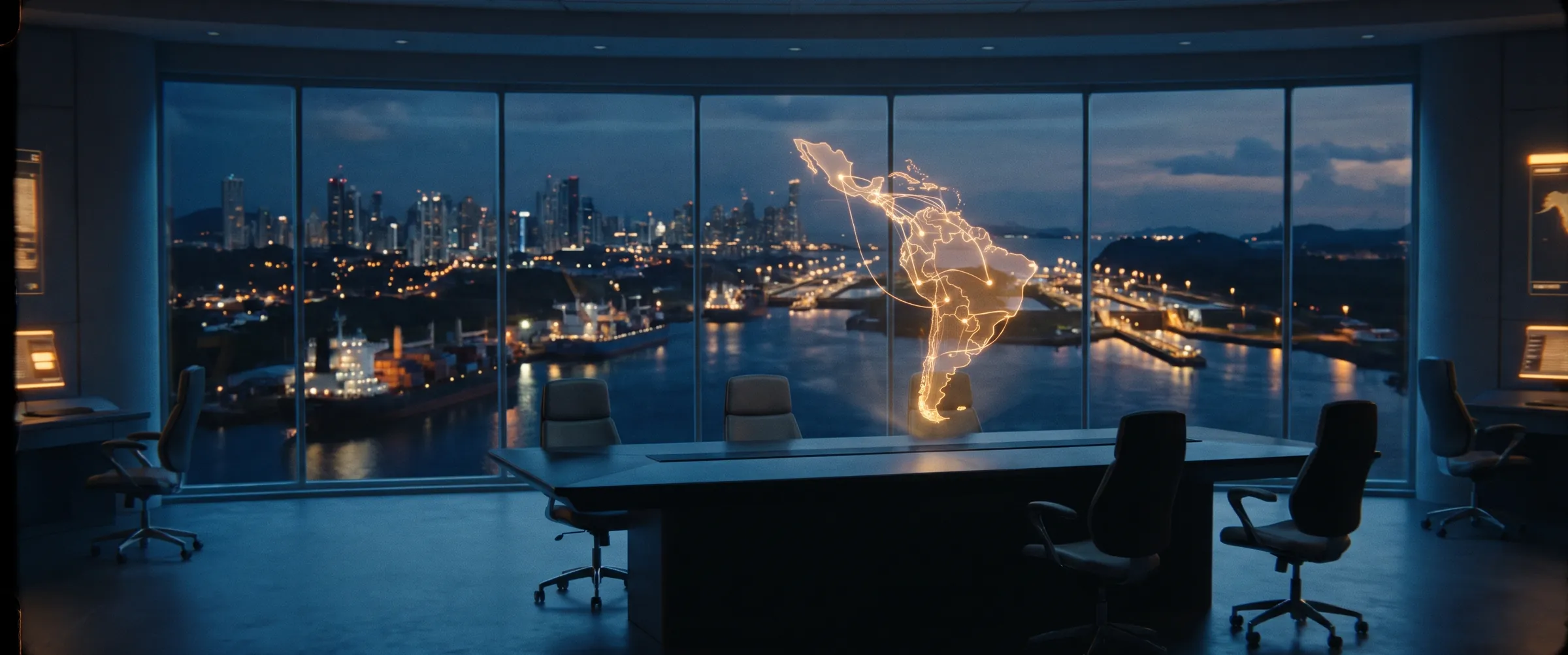
Choose a country to explore work and projects from my career. The arcs represent professional connections, not built power lines.
Central America went from 700 to 3,100 GWh of trades in nine years. What SIEPAC, Colombia-Panama and Ecuador-Peru teach, and what the next step needs.
30 to 45 minute keynote
If I were an investor, I would look at how many megawatts the country needs and how clear its rules are. That is what this talk is about.
Keynote or executive workshop
Ecuador went from half of its rural homes with power to more than 97%. The last 3% is the hard part, and the most honest measure of a transition.
Keynote or panel
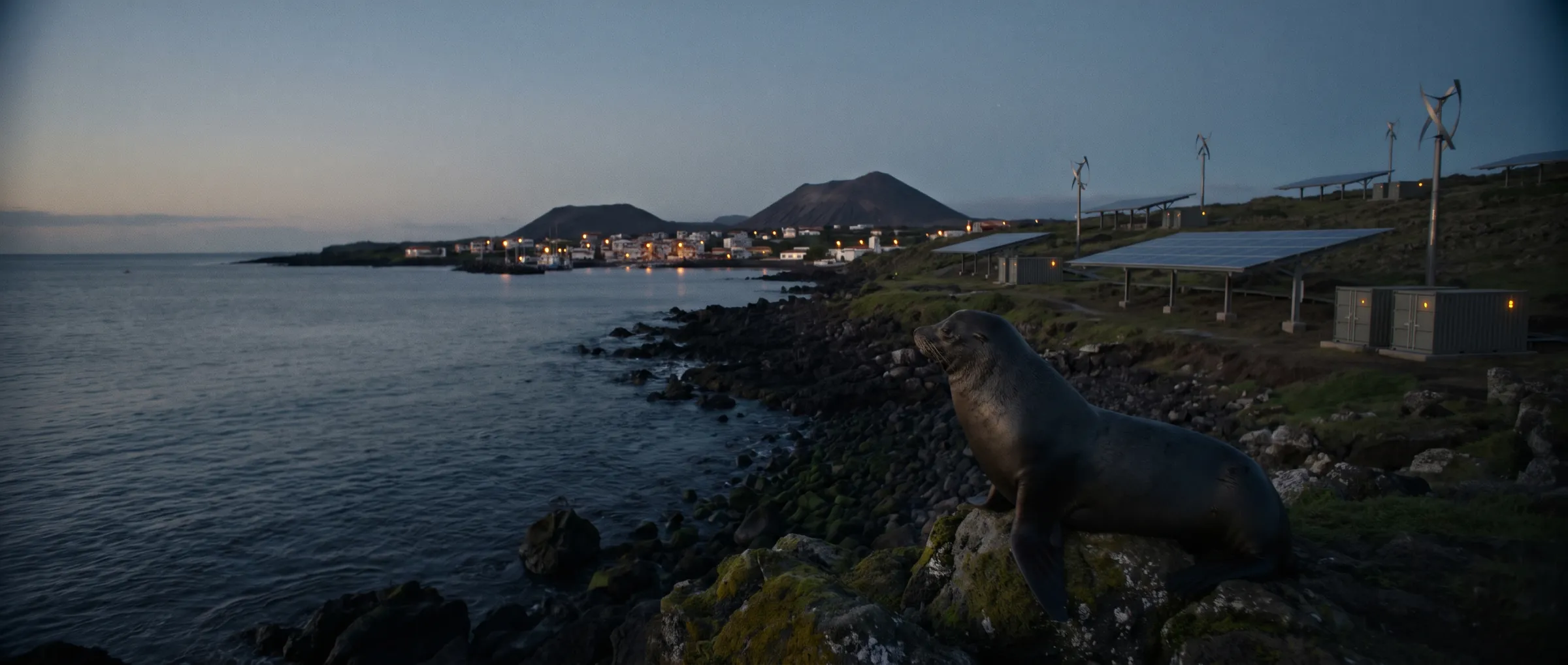
Galápagos aims to cut 3 million gallons of diesel before 2030. What we learned there and in San Andrés applies to any isolated grid.
Fireside chat or case study
Corporate governance for utilities operating across several countries and regulators.
Board session
When the region debates its energy,
he is asked to explain it.
Symposiums, congresses and high-level dialogues across Central America, the Caribbean and the Andes, with data, maps and the decisions still pending.
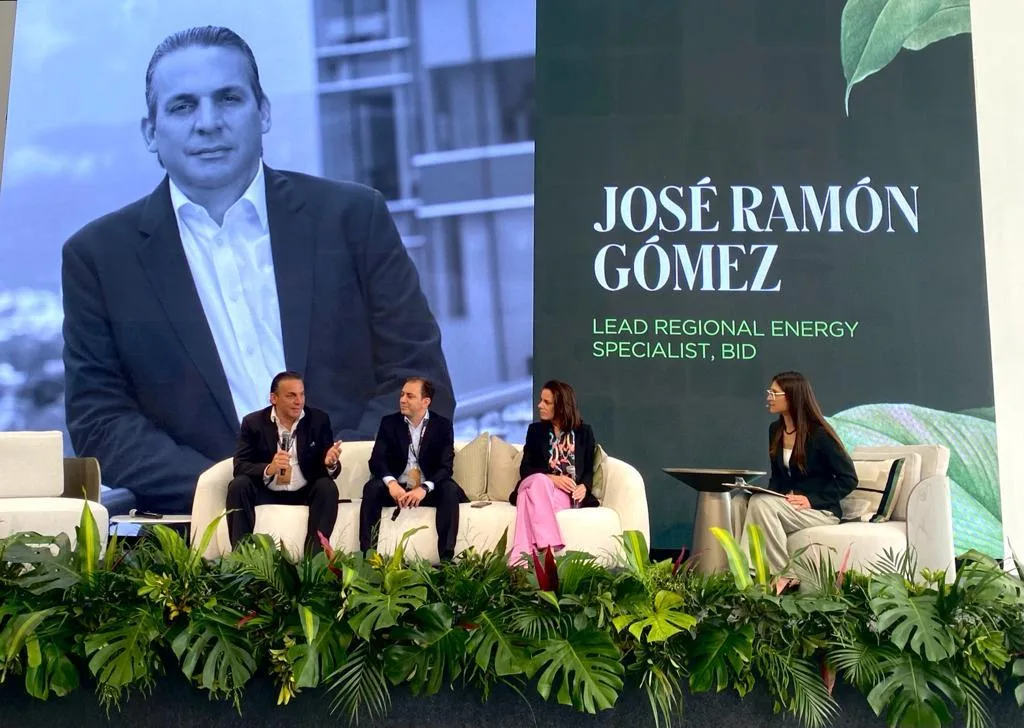
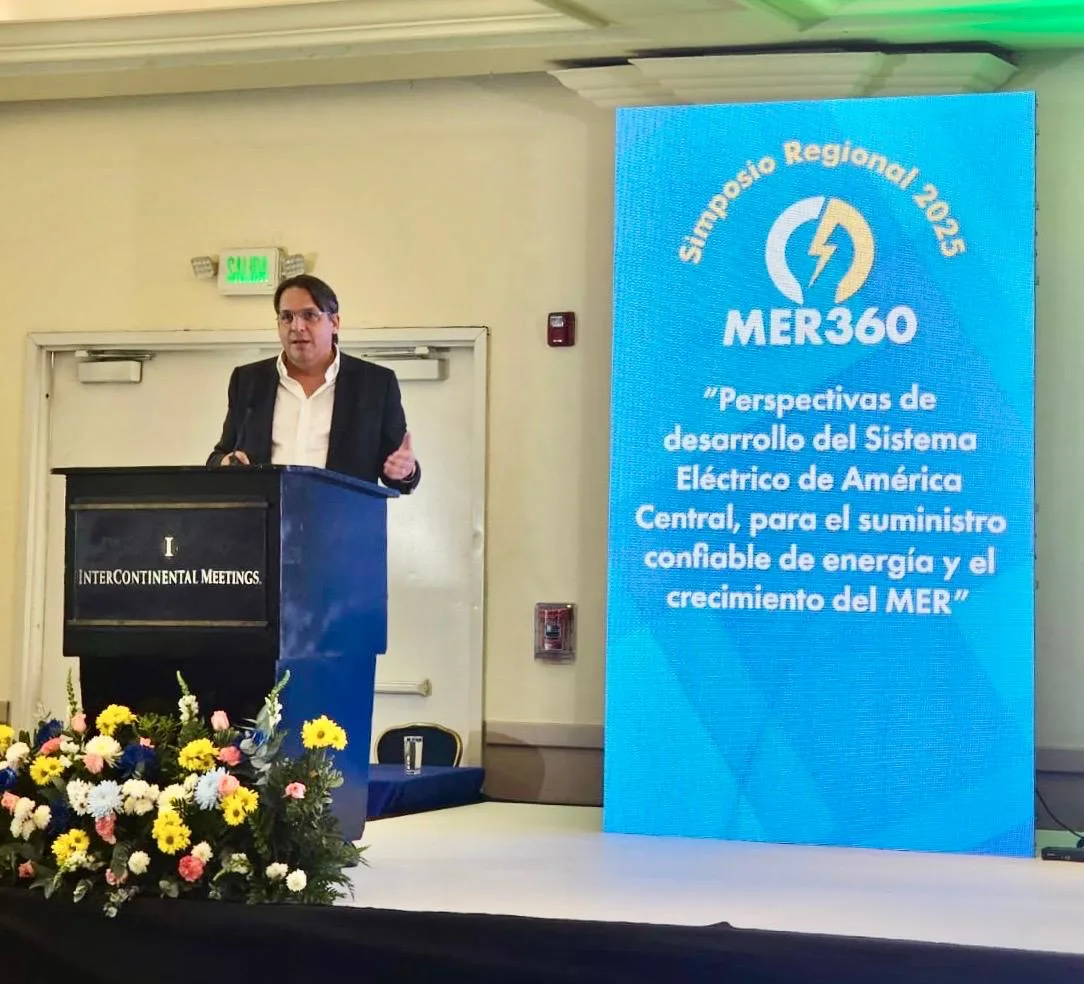
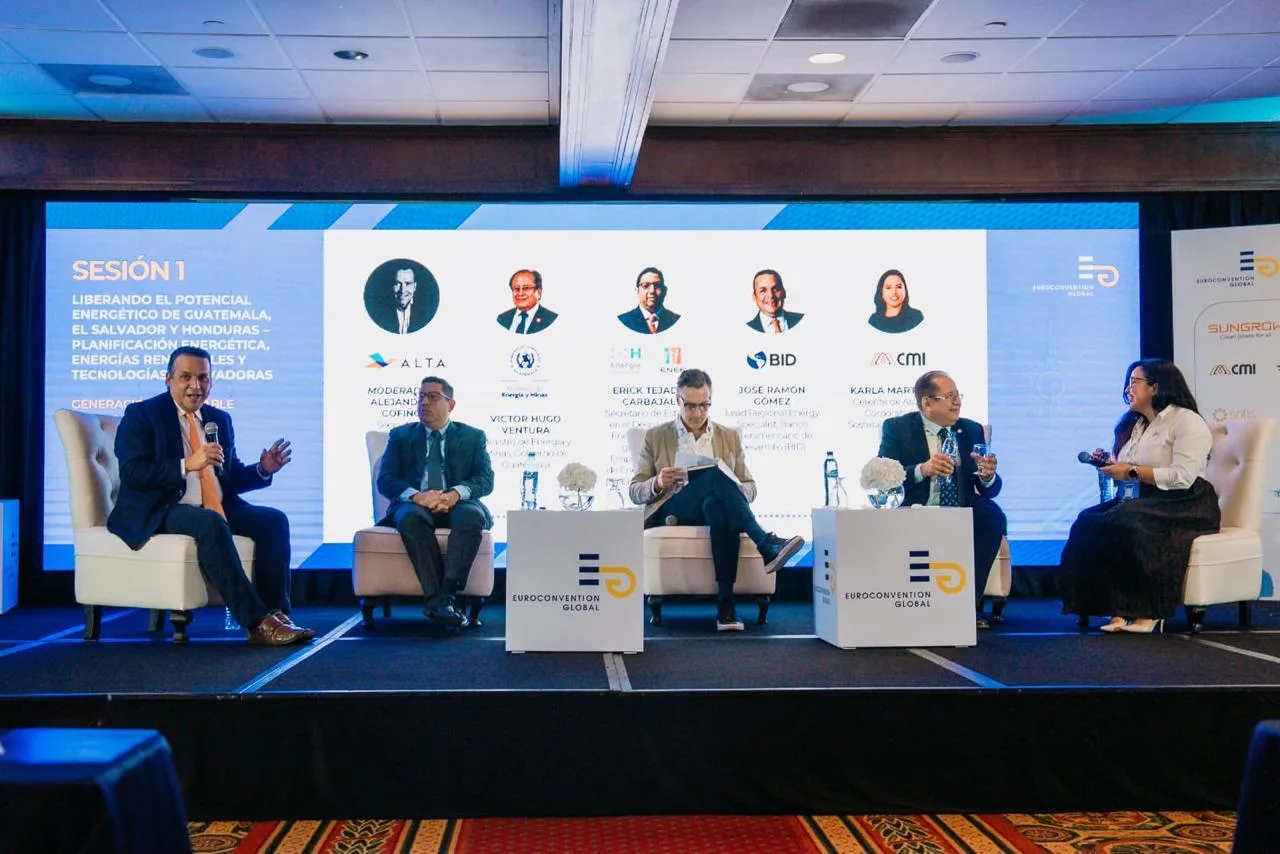
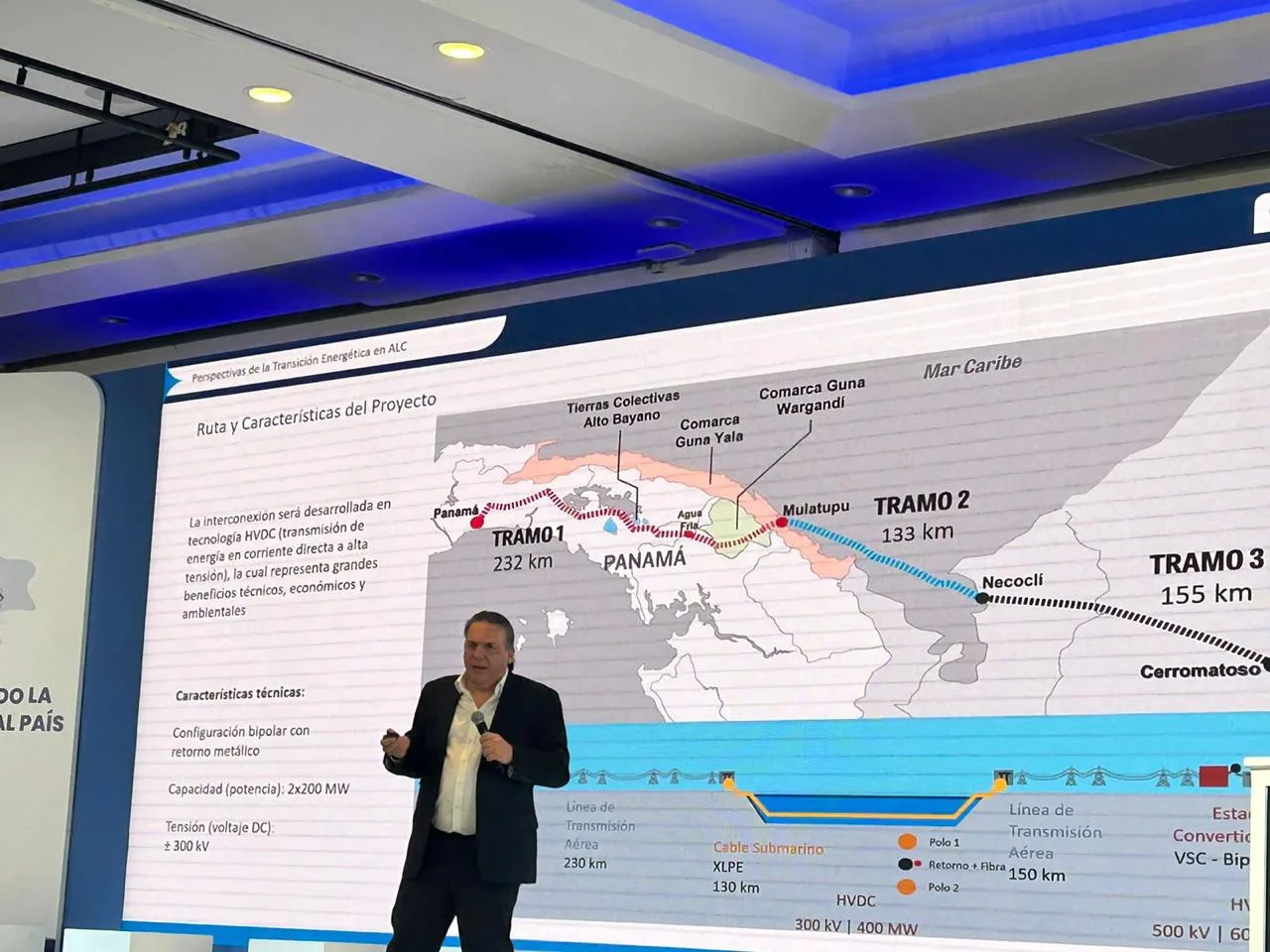
Publications and conversations that put the work in context, with links to the sources.
Panama and Colombia
Regulation, finance and communities
An interconnection needs environmental, social and regulatory decisions before investment can move forward. This coverage includes José’s perspective from the IDB.
Read the sourceLa Prensa · 22.02.2026
Iquitos, Peru
Reliability, access and sustainability
A technical note on Iquitos’s electricity system, co-authored by José Ramón Gómez and Lina Escobar Rangel and published by the IDB in January 2026.
Read the sourceBID · 01.2026
Latin America and the Caribbean
Multilateral finance and infrastructure
The profile published by Colombia’s energy ministry documents his IDB and World Bank experience, areas of work and university education.
Read the sourceMinEnergía Colombia · CELAC 2025
1996
Bogotá
I graduate as an environmental and sanitary engineer from Universidad de La Salle.
2005
Washington D.C.
Two master's degrees at George Washington University. At the World Bank I work on air quality for Santiago, Chile.
2007
Washington D.C.
I join the IDB to finance energy infrastructure.
2009
Bogotá
Eight years in Colombia: renewables, San Andrés and the Pacific coast.
2017
Panama City
Colombia interconnection and universal access in Panama.
2020
San José
IDB Representative in Costa Rica, in the middle of its decarbonization plan.
2021
Quito
Ecuador and Peru: the 500 kV link that will take trade from 80 to 680 MW, and the move off diesel in Galápagos.
2025
Panama City
Regional energy specialist and lead at the IDB Group for Central America, Haiti, Mexico, Panama and the Dominican Republic.
2026
Panama and Santo Domingo
I take part in discussions about preparation of the Colombia-Panama interconnection and transmission investment in the Dominican Republic.
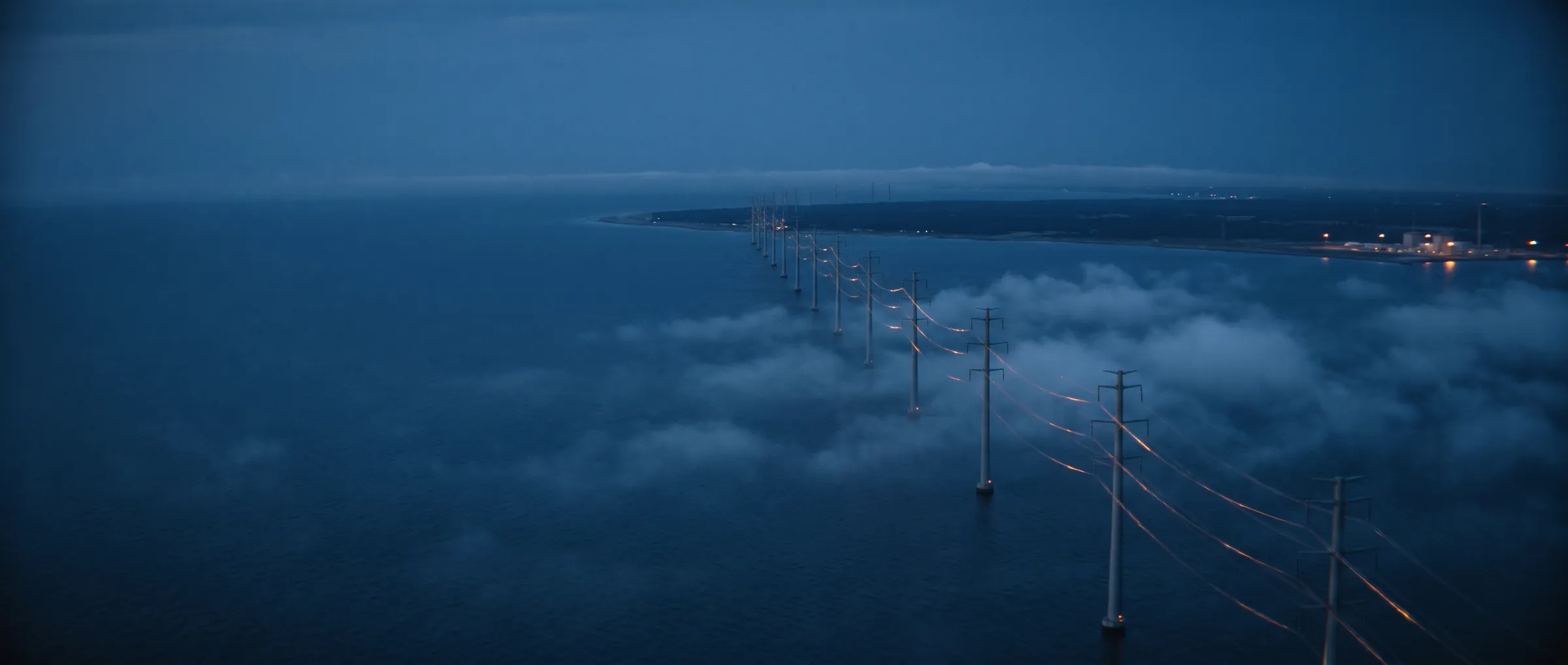
Sharing power can improve supply security. The benefits depend on the grid, the rules and the agreements.
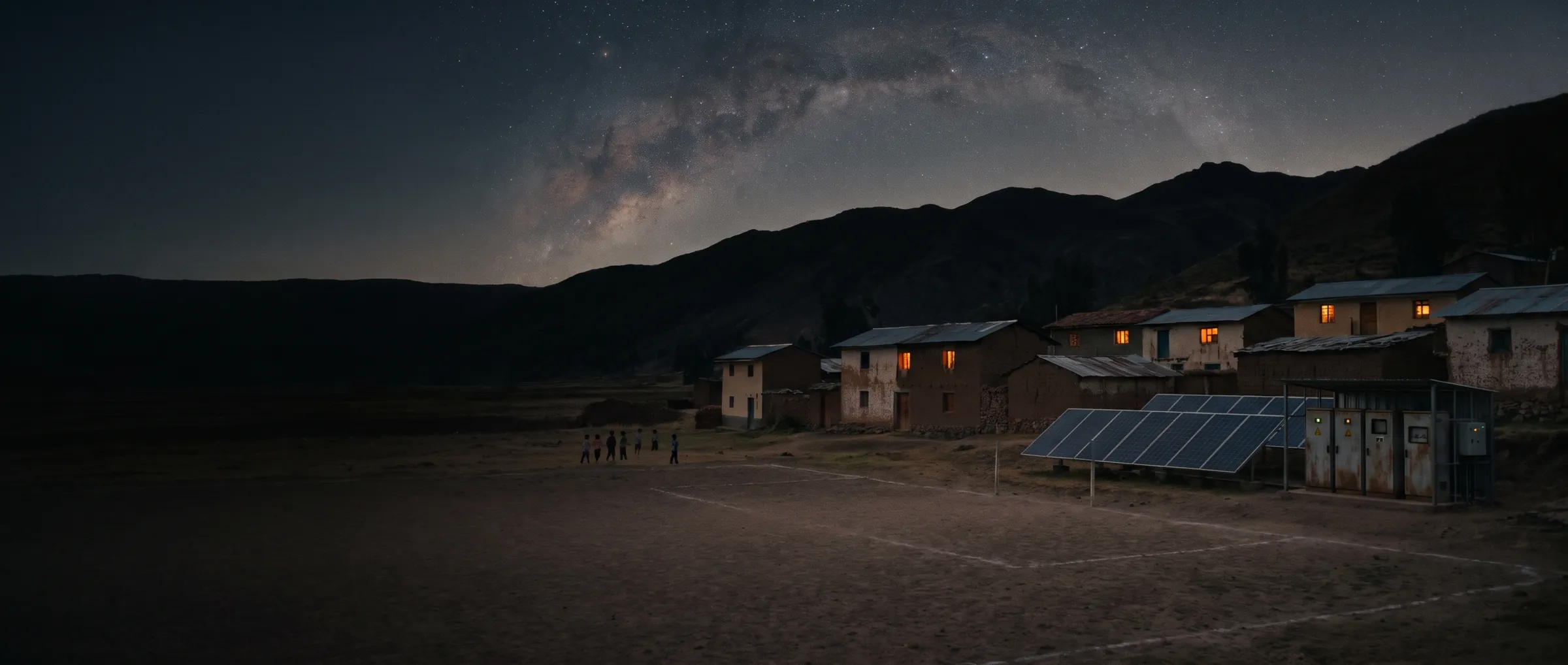
The transition is not complete while a single home has no power.
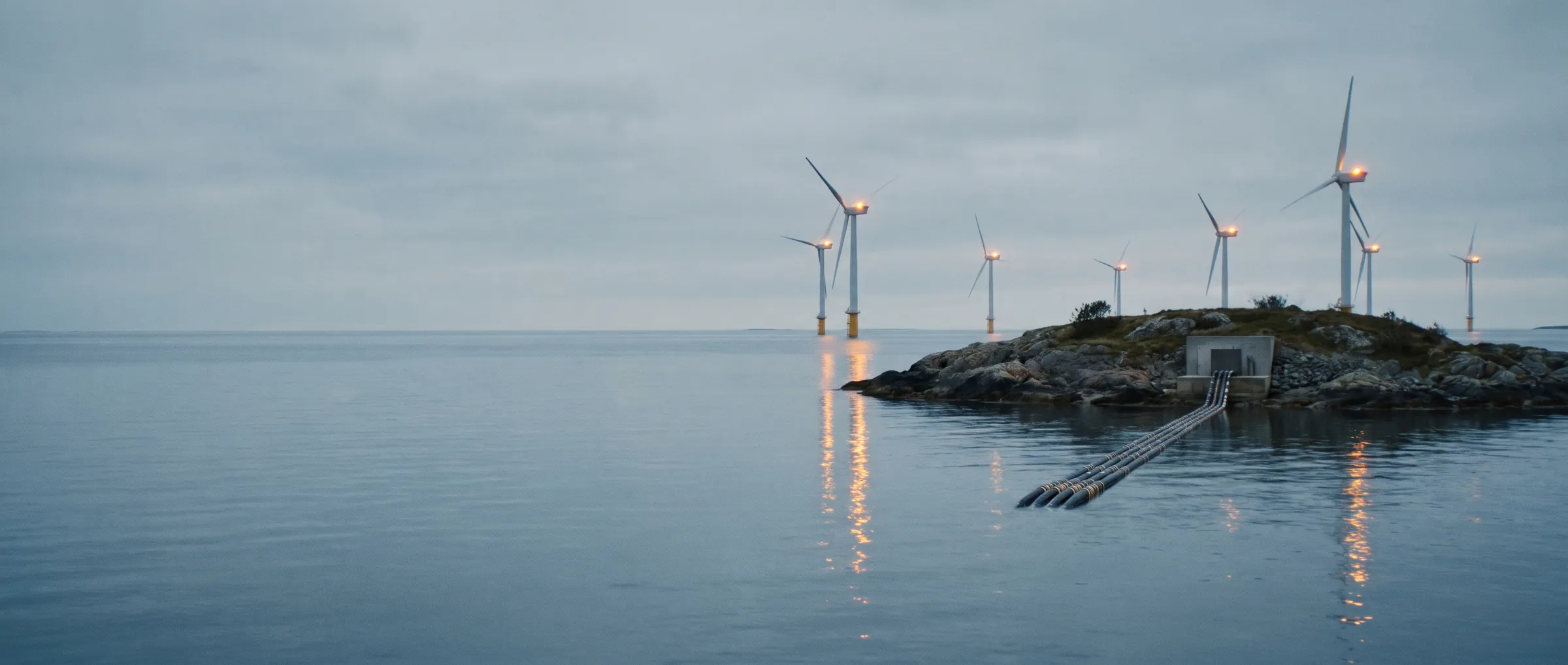
The Caribbean can go from importing diesel to exporting wind.
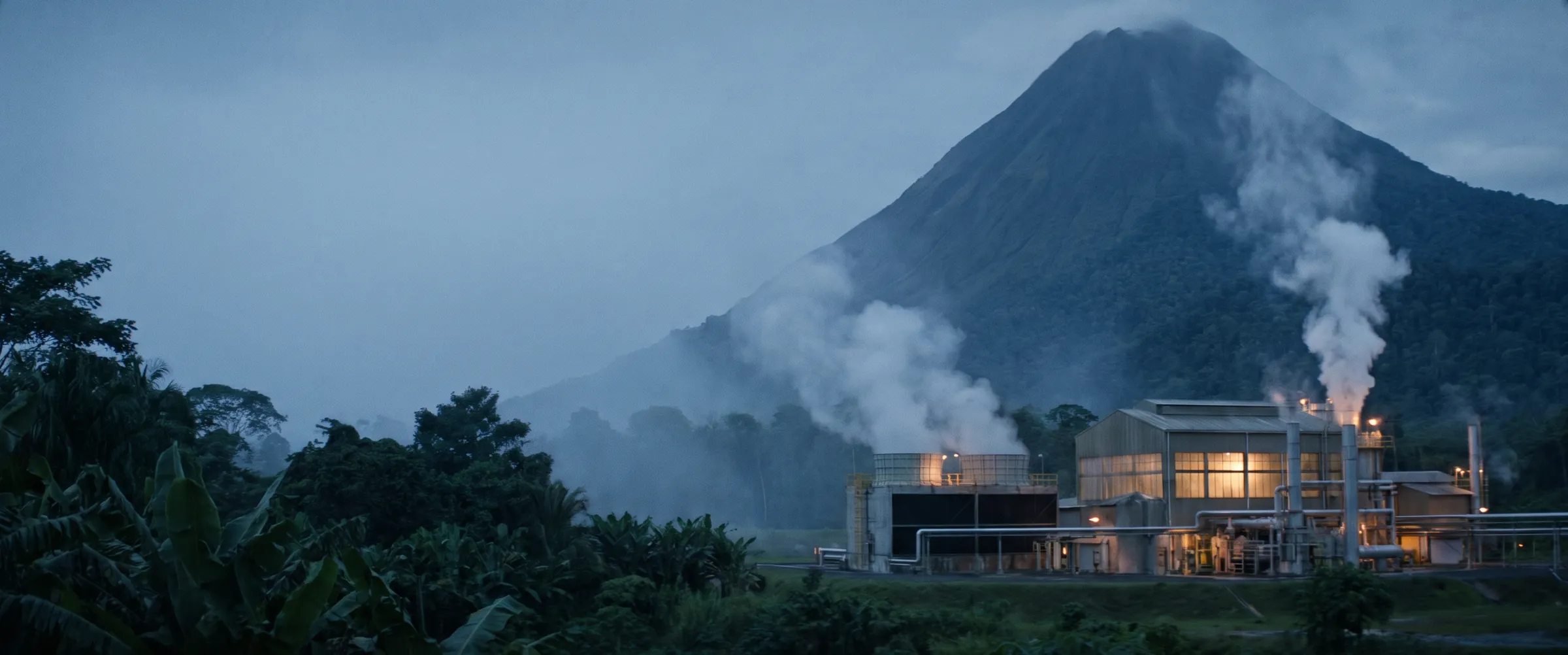
Volcanoes and rivers give the stability that sun and wind need.
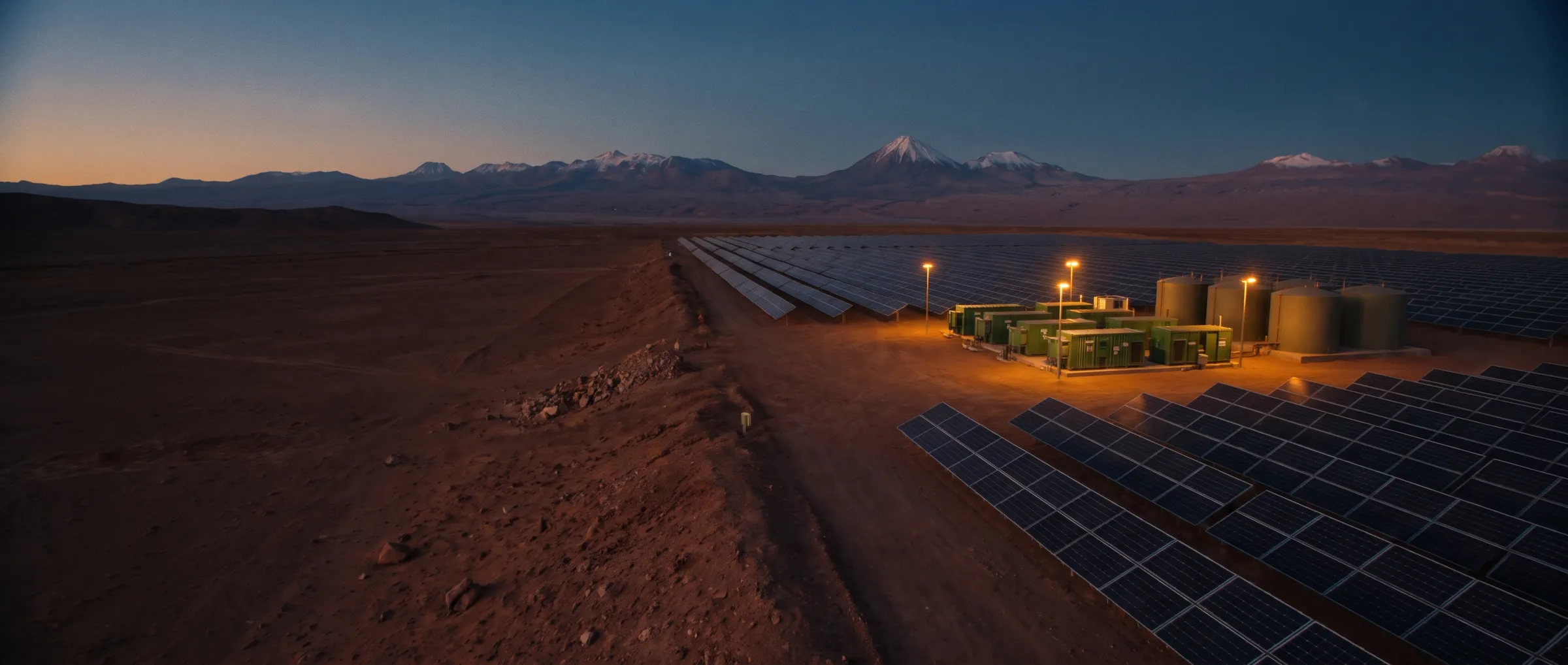
The sunniest desert on Earth can power entire industries.
Each tower is a published idea. Follow the line from Quito to Panama City.
Article, co-authored Ecuador
Fifty years ago, just over half of Ecuador's rural homes had power. By 2019 it was more than 97%. We wrote about what it takes to reach the last 150,000.
Read at the source: Avances y estrategias de Ecuador para alcanzar el acceso universal al 2030Article, co-authored Ecuador and Peru
The Ecuador-Peru link will grow from 80 to 680 MW, the first piece of an Andean power market.
Read at the source: Interconexión eléctrica: grandes avances para la integración energética regionalPanel Peru
67% of the region's installed capacity is already renewable. What matters is commitment.
Read at the source: Foro Economía Verde y Desarrollo Sostenible: ¿cómo está avanzando la transición energética en el Perú?Column by Raúl Ávila Forero Galápagos
The plan aims to cut 3 million gallons of diesel between 2023 and 2030, with 31.96 MW of solar and 8.75 MW of wind.
Read at the source: Transición energética y gestión de recursos: caso de islas GalápagosForum in Quito Ecuador
What I see are opportunities. Bringing power to the whole Amazon region costs about US$600 million and needs clear rules for investors.
Read at the source: Ecuador tiene condiciones para captar inversión eléctricaArticle, co-authored Central America
Regional market trades grew from 700 GWh in 2013 to 3,100 GWh in 2022. Deeper integration cuts total cost by about 10%.
Read at the source: Driving Energy Integration in Central America through SIEPAC and MERNews story quoting me for the IDB Group Panama and Colombia
The February 2026 report addresses project preparation and the regulatory, environmental and social decisions needed before investment. It does not describe a line that is 95% built.
Read at the source: $800 millones y un 5% crítico: los retos finales de la interconexión eléctrica Panamá-ColombiaNews Dominican Republic
We presented ETED with instruments to finance a roadmap of investments in the Dominican transmission grid.
Read at the source: BID y ETED informan avance en estructuración financiera para nuevas inversiones en transmisión eléctricaKeynote Panama
2026 Industrial Sustainability, Energy and Water Symposium. Panama can become the region's energy hub if it invests in its grid in time.
Read at the source: Infraestructura energética estratégica para PanamáFor event organizers, energy companies, investors and media who need someone who has financed the region's infrastructure and watched it get built.
Power integration, universal access and how to finance what the region needs, told through cases he lived from the inside. In Spanish or English, on site or online.
Invite to a conferenceA conversation about risk, governance and regional growth for energy companies. Any potential role requires a compatibility review and the relevant approvals.
Talk about a board seatAn expert view on regulation, financial structure and delivery of energy projects across more than 15 countries. Scope is reviewed before any collaboration is agreed.
Share a challengeClear context on power integration, energy access and finance for interviews, op-eds and panels. Forbes Peru, Semana and La Prensa have already covered his ideas. The biography and sources are ready to download.
Request an interviewEvent, board, project or interview: what you need, who it is for and when.
José reviews the topic, the schedule and compatibility with his current responsibilities.
You agree on length, language, format and what your audience or team takes away.
Each invitation is reviewed individually. Availability and any required approvals are confirmed before an engagement is agreed.
The greatest economic benefits are achieved when the region works as a united bloc.
Ask the assistant about experience, publications and discussion topics. Its AI-generated replies may contain errors. You can also use the contact form or WhatsApp.
Virtual José is an AI assistant. It answers from public information and does not commit dates or fees.
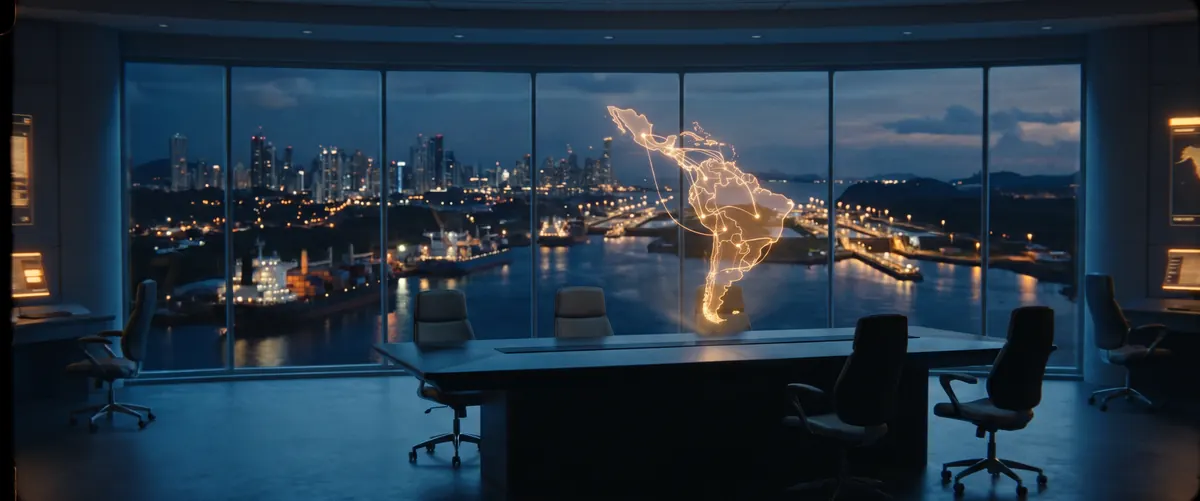
Tell me about your event, your board or your project, who it is for and when. I read every message and reply personally.
Register your interest in future writing on power integration, transmission and energy access.
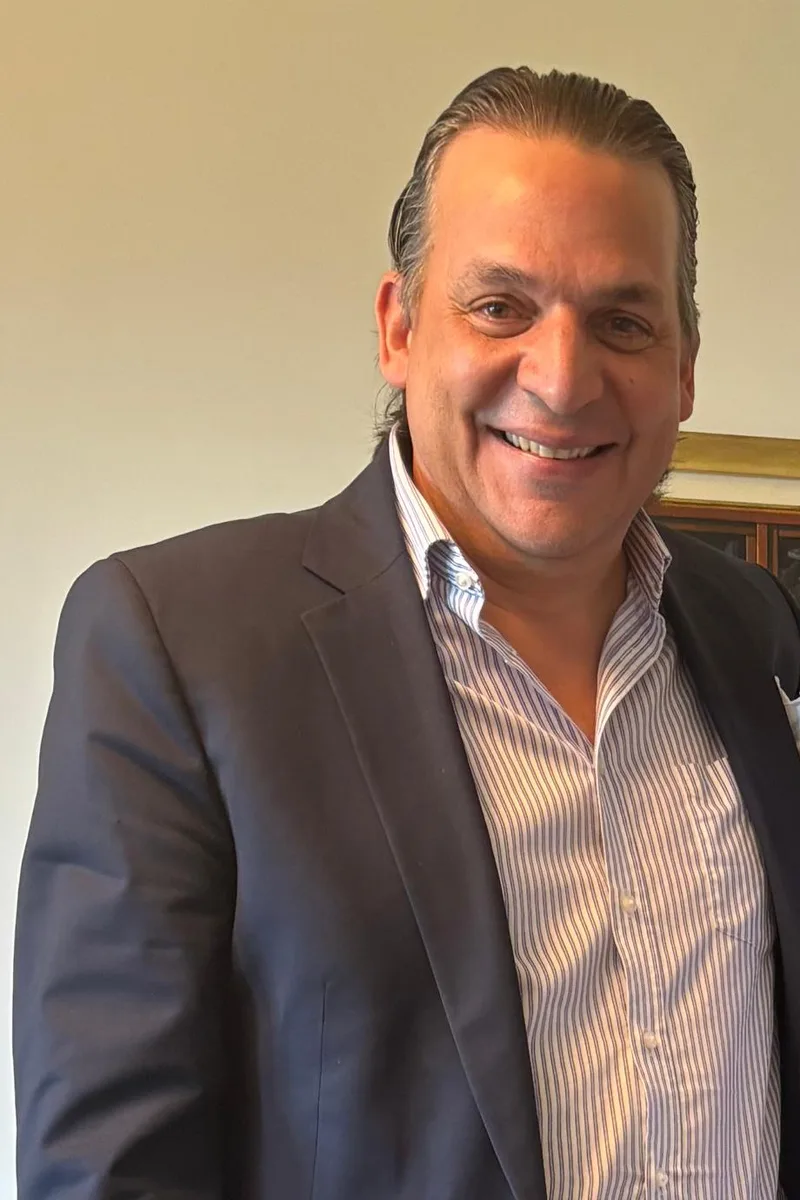
José Ramón Gómez Guerrero is the IDB Group's regional energy specialist and lead for Central America, Haiti, Mexico, Panama and the Dominican Republic. He has spent 29 years financing energy infrastructure in more than 15 Latin American and Caribbean countries.
José Ramón Gómez Guerrero is the IDB Group's regional energy specialist and lead for Central America, Haiti, Mexico, Panama and the Dominican Republic. He has spent 29 years financing energy infrastructure in more than 15 Latin American and Caribbean countries. He has supported the Colombia-Panama and Ecuador-Peru interconnections and a portfolio of more than US$4 billion.
No. At conferences, in the media and on this site José shares personal views. Any outside activity is coordinated under his employer's rules.
Regional power integration, universal access, infrastructure finance, islands and the energy transition, and corporate governance in energy companies.
Spanish and English. Keynote, panel, fireside chat, executive workshop or board session, on site or online.
Use the form, WhatsApp or the virtual José assistant. Date, city, audience, format and topic help a lot.
You can submit a proposal for review. This site does not confirm availability or authorization to take a role. Each case requires a review of compatibility, conflicts of interest and any applicable approvals.
In the In the media section of this site and on his blog. He has published on the IDB Blog, and Forbes Peru, Semana, La Prensa and El Oriente have covered his ideas.
In Panama City, working across Latin America and the Caribbean.